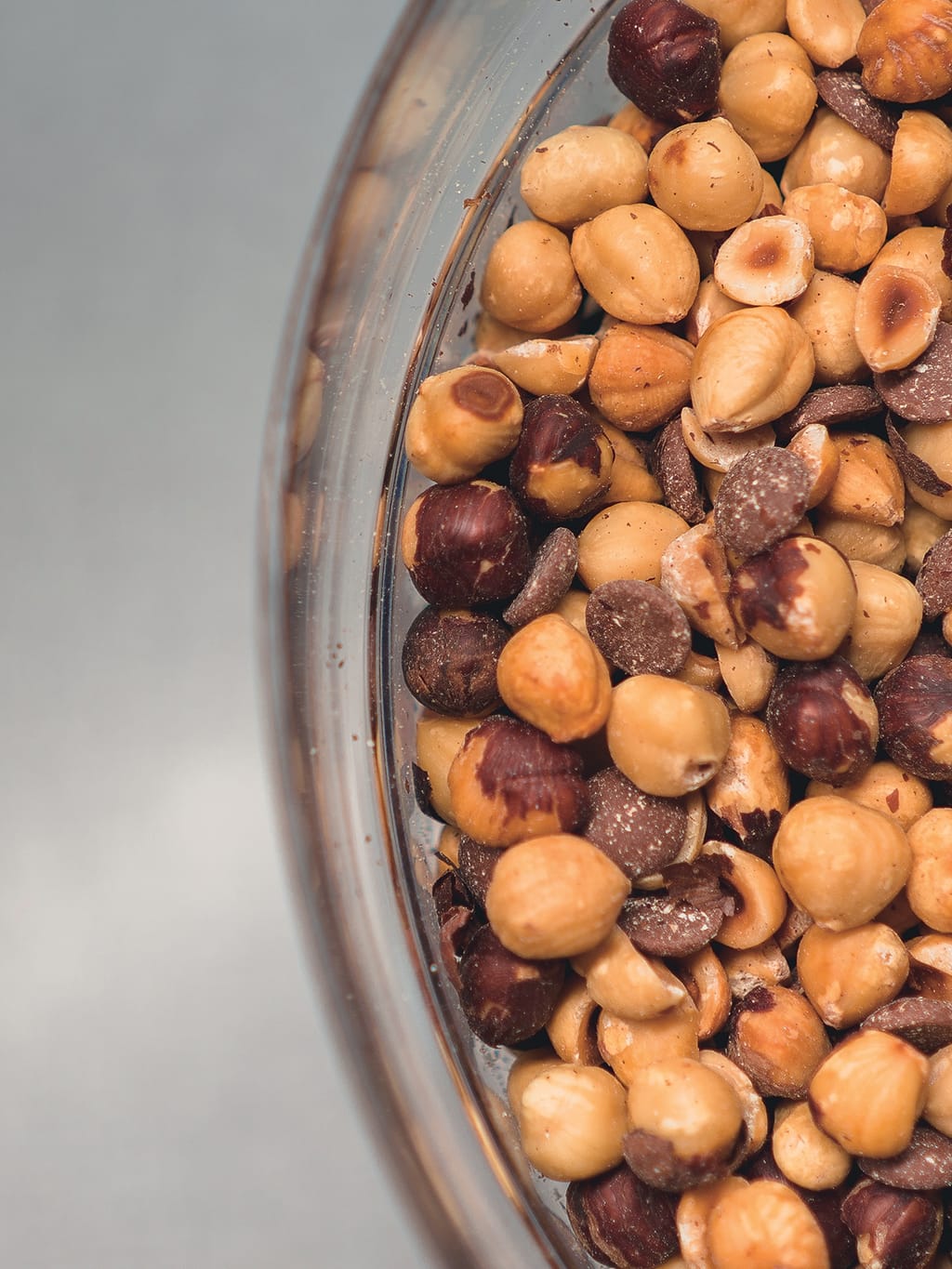
Fresh nut butter on the hotel breakfast buffet
The breakfast buffet sets the tone for the morning review. A nut butter grinder on the counter is one of the cheapest upgrades guests remember.
WEnutbutter
Every hotel breakfast has the same problem. It looks like every other hotel breakfast. The eggs, the pastries, the juice machine, the little portion packs of jam and chocolate spread. Guests walk the buffet in thirty seconds and nothing stops them.
A nut butter grinder changes that. Whole peanuts or hazelnuts visible in the hopper, a lever or a button, and warm butter flowing straight onto their plate. It is breakfast theater in half a meter of counter space, and it pours something most guests have never tasted fresh.
Why nut butter earns its spot on the buffet
Three buffet trends work in fresh nut butter's favor.
- Guests hunt protein first. They scan the buffet for eggs, yogurt and cheese. Fresh peanut butter delivers roughly 25 grams of protein per 100 grams and upgrades everything from oatmeal to smoothie bowls.
- Guests read labels now. Portion packs of chocolate spread are mostly sugar. Fresh-ground butter is one ingredient, ground in front of the guest, and the hopper is the ingredient list.
- Sustainability has to be visible. Bins of bulk nuts replace boxes of single-serve plastic packs. That is a waste line item your purchasing team can measure and a story your front desk can tell.
What guests actually do with it
Warm nut butter on the buffet is more versatile than the toast corner suggests. Guests pour it over oatmeal and pancakes, stir it into yogurt, spread it on croissants, and spoon it onto smoothie bowls. Kitchens use the same machine before service, making peanut sauce for the lunch menu, hazelnut butter for the pastry section and almond butter for the spa cafe smoothies. One machine works both sides of the pass.
A simple sign helps. Name the nut in the hopper today, add one line about it being 100 percent nuts with nothing added, and include a clear allergen note. Rotating the nut of the day (peanut on Monday, hazelnut on Wednesday, almond on the weekend) keeps returning guests curious all week.
The operational reality
An F&B manager will ask about throughput, cleaning and safety.
- Throughput. A commercial grinder produces butter in seconds per serving. A full hopper covers a busy breakfast shift, and refilling means pouring in more nuts.
- Cleaning. The grinding parts of our machines strip down without tools and are cleaned in minutes at the end of service. Stainless steel throughout, no corners where oil lingers.
- Placement. Put the machine where staff can see it, next to the bread and toast station. Like any self-serve station, it needs the same glance-over your juice machine already gets.
- Allergens. Nuts are a major allergen, so the station needs clear labeling, its own utensils and a spot away from allergen-free zones. Hotels handle this today for the nut basket in the muesli corner, and the grinder follows the same routine.
What it costs to run
Bulk roasted nuts turn into an equal weight of butter, so the cost per serving is the cost of the nuts, typically a fraction of branded portion packs of comparable quality. There is no spoilage from opened jars because butter is ground on demand, and no packaging waste to haul out. Most properties find the machine pays back within a season, before counting the review-score effect of a buffet guests photograph.
Our WB02 nut butter mill is the model we recommend for most breakfast operations. It is compact, fully stainless, and grinds peanuts, almonds, hazelnuts and cashews with a disc swap. Larger properties running multiple outlets can compare capacities on the machines overview.
See it on your buffet
Send us your covers per morning and the layout of your buffet, and we will spec the machine, the discs and the daily cleaning routine for your operation. Request a quote and you will have numbers for your next F&B meeting this week.